The other side of paradise
There is a certain image of Duino: young people from around the world, discussing the future of humanity with admirable seriousness. It is an accurate image. Just not a complete one.
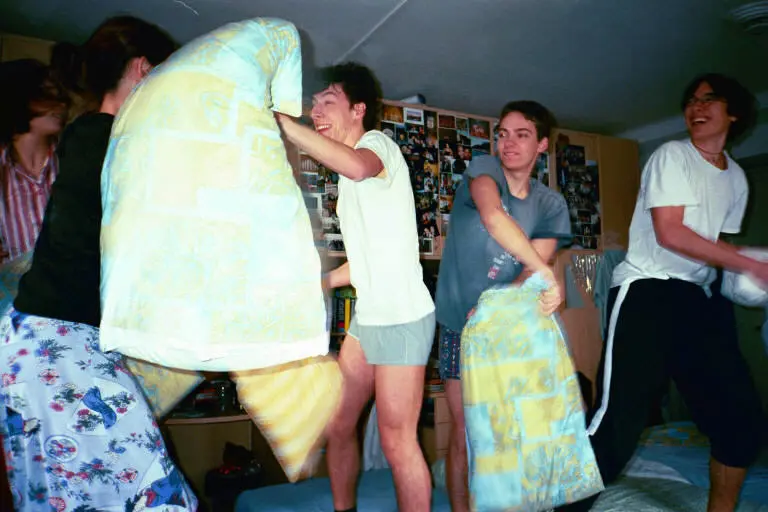
We are sixteen, seventeen, eighteen. We live away from home, surrounded by people our age, and enjoy a degree of freedom that still feels slightly improbable. Naturally, we use every minute of it for intellectual self-improvement. Well, almost every minute.
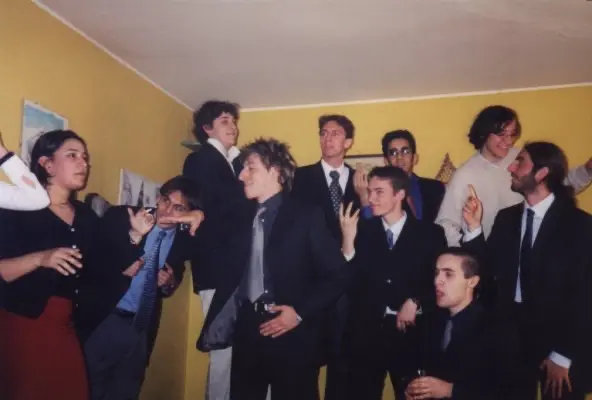
There are parties, crushes, questionable decisions and conversations that begin with the state of the world and end somewhere rather less philosophical. Plans are made with great confidence and revised with remarkable speed. Sleep is often treated as an optional extra.
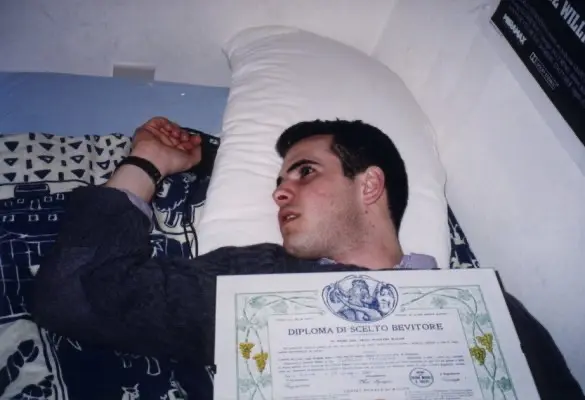
None of this is particularly surprising. Put a few hundred teenagers together, add a generous supply of idealism and hormones, and it would be unreasonable to expect nothing but seminars on international cooperation.
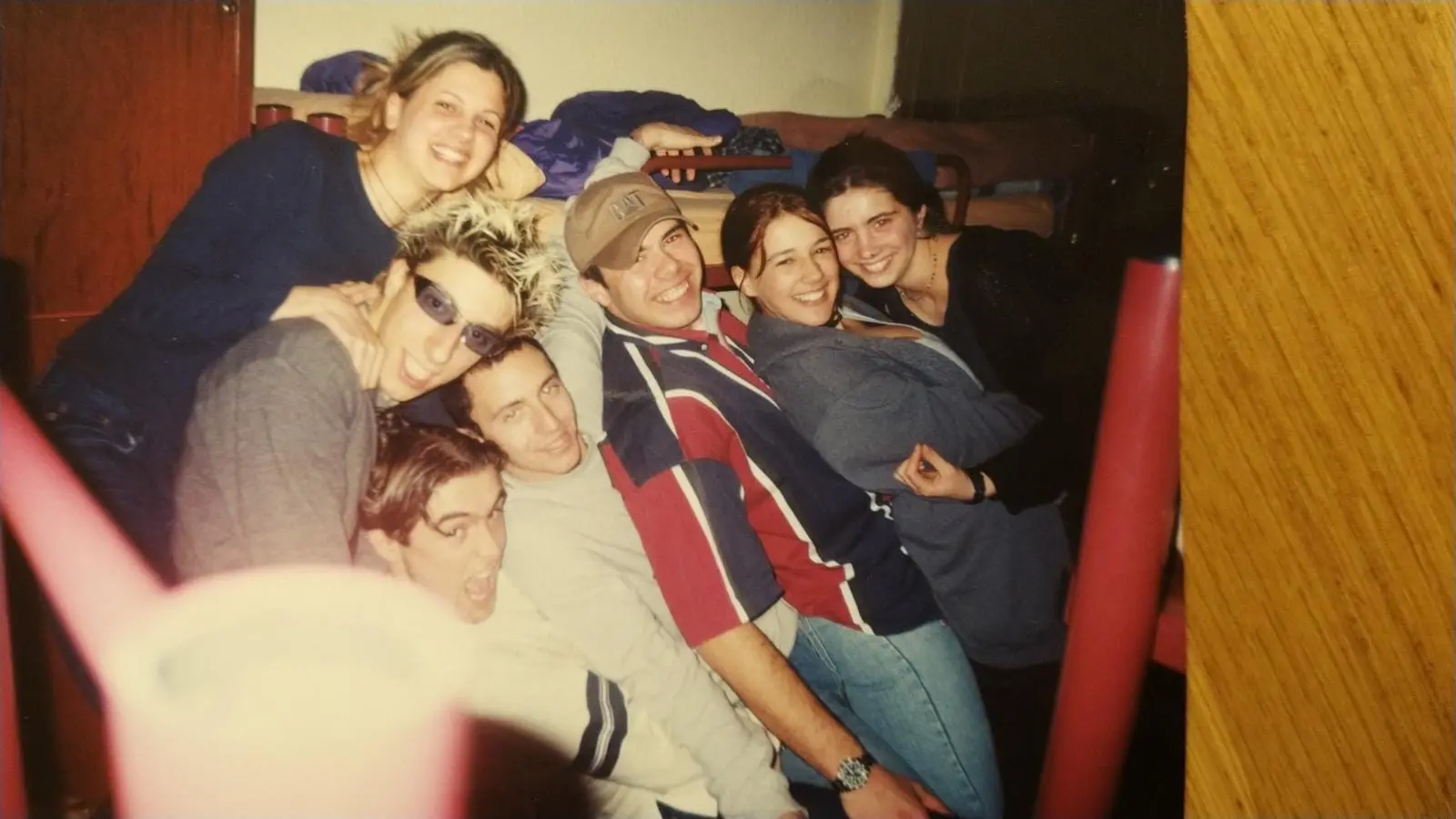
The wonderful thing is that the two worlds coexist without much difficulty. We can care passionately about changing the world and, five minutes later, care just as passionately about who might be at tonight’s party. Our priorities are not always consistent. Our enthusiasm certainly is.
And as for the more interesting details? Some stories are best left exactly where they belong: in Duino, around the year 2000.