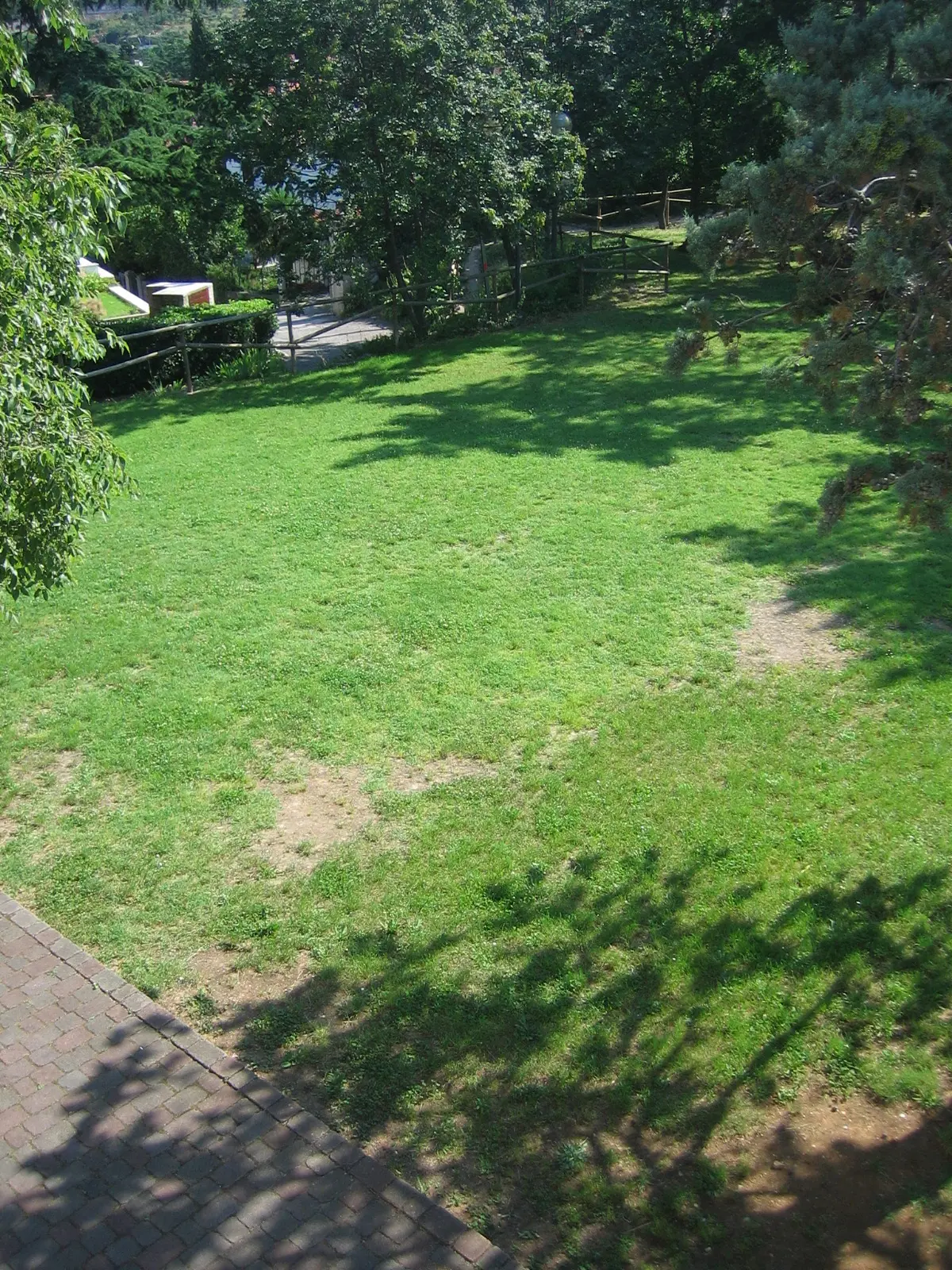
When we believed we could change the world
We were sixteen or seventeen, living in a small village by the Adriatic, surrounded by people who had arrived from every corner of the world. We came with different languages, different histories and different ideas. What we shared, perhaps more than anything, was the conviction that ideas mattered.
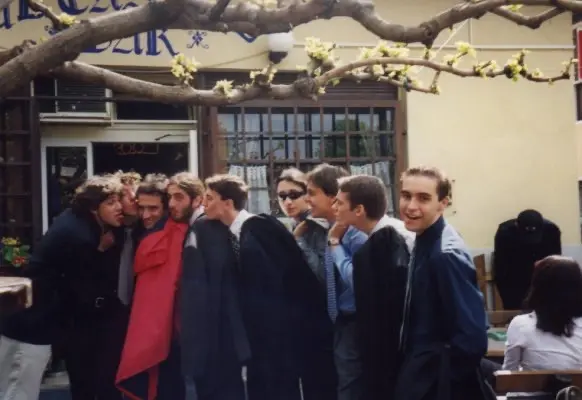
We talked about everything. Politics, philosophy, society, the world as it was and the world as we imagined it could be. The conversations happened everywhere: in our residences, on Fore Lawn, at Fore Court. There was no particular place, no timetable, and certainly no rule about how a discussion should unfold.
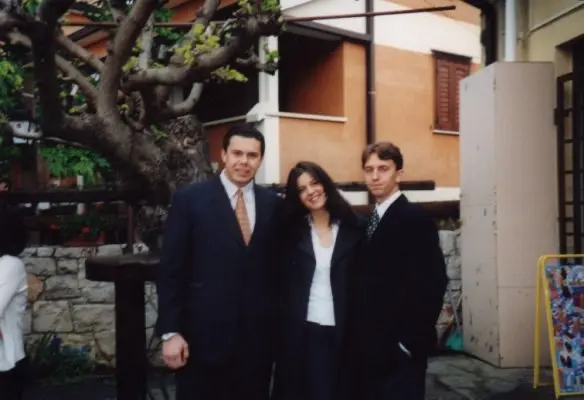
Sometimes we listened; sometimes we argued. Everyone experienced Duino in their own way. But there was a kind of peer pressure in being surrounded by so much curiosity: it made you want to know more, to question your assumptions, to find your own voice.
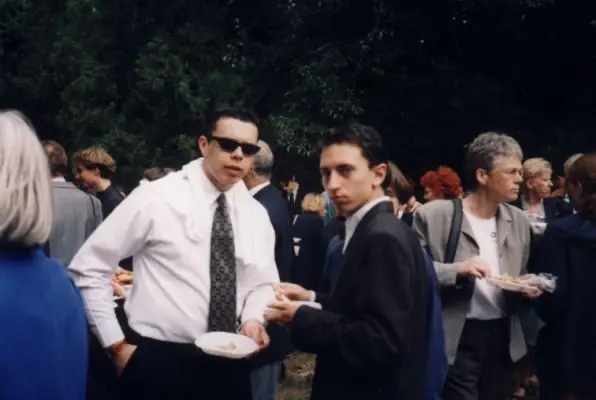
Looking back, I recognise something of the young idealists in Dead Poets Society. We took the big questions of life seriously, perhaps because we had not yet learned all the reasons people give for leaving them unanswered.
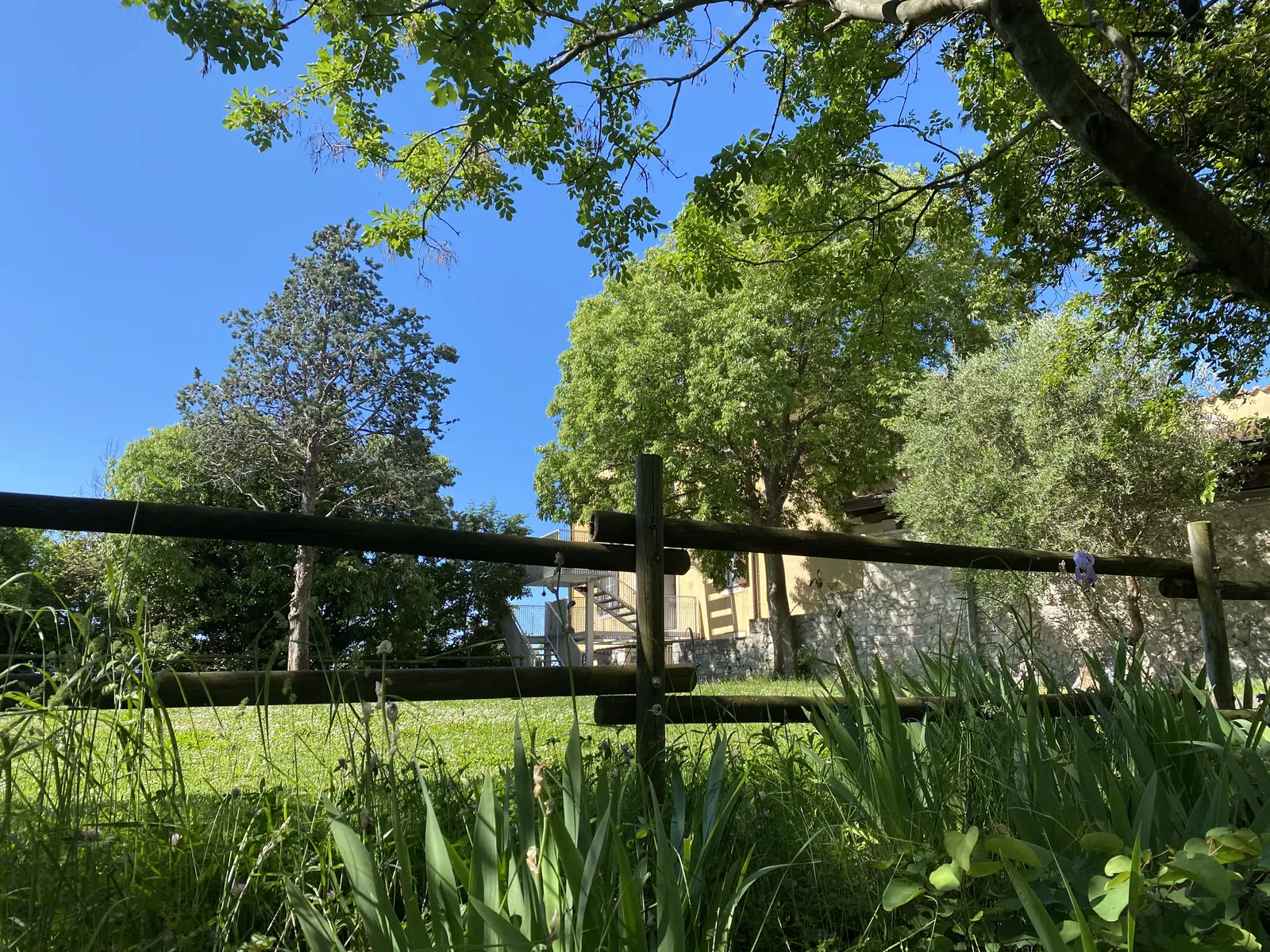
At sixteen, believing you can change the world is not a mistake.
Of course we were naïve. But I think that is exactly how you are supposed to be at that age. Those two years changed the way I saw the world. And if I miss something about that time, it is not a particular debate or a particular answer. It is the extraordinary freedom of believing that the world could still be different.